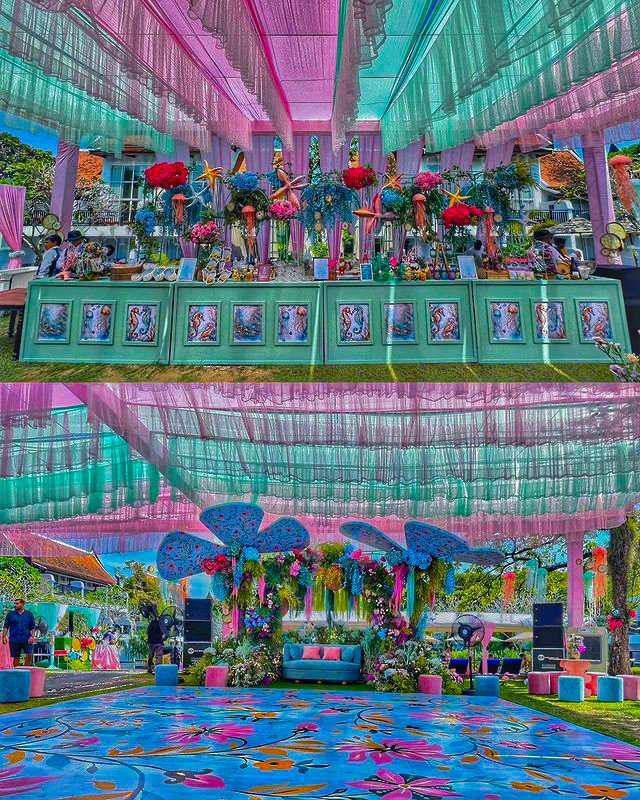
Event Decoration
Event decoration goes far beyond just flowers and fabric. It’s about creating the right visual environment for any celebration or formal occasion, whether it’s an engagement party, a corporate event, a family gathering, or a professional ceremony. The decoration should reflect the nature of the event, the preferences of the organizers, and the space available.
Professional event decoration involves planning how your entire venue will be styled and arranged to suit the occasion. This might include the stage or main focal area, the entrance and welcome space, the seating and dining areas, wall and ceiling elements, and the overall theme and color scheme. Unlike decorating a single specific type of event, event decoration requires flexibility to work with many different occasions, each with its own purpose, audience, and requirements.
Events That Benefit From Professional Decoration
Event decoration isn’t limited to weddings. Many types of celebrations and formal occasions benefit from professional planning and styling:
Engagements and Pre-Wedding Events
Engagement ceremonies are formal occasions that deserve thoughtful decoration. The event typically has a guest audience and specific ceremonial elements. The decoration should feel celebratory but also appropriate for a formal family gathering. The backdrop where the couple is positioned, the entrance, table styling, and overall venue setup all contribute to how the event feels.
Family Celebrations and Gatherings
Family events, anniversaries, milestone birthdays, family reunions, or cultural celebrations, often bring together multiple generations and extended family. These events might be held in halls, marquees, or outdoor spaces. The decoration can reflect family traditions, preferred colors, or a specific theme that holds meaning for the family.
Corporate and Professional Events
Corporate events require a different approach than social occasions. A corporate event might be a formal gala, an awards dinner, a product launch, a conference reception, or a company celebration. The decoration should feel professional, coordinated, and appropriate for the business context. This might mean focusing on clean lines, a professional color scheme, and strategic focal points rather than elaborate floral work.
Private Celebrations
Private events, dinner parties, milestone celebrations, or private receptions, can be decorated according to the host’s preferences and the intimacy of the occasion. These events often have smaller guest counts and more flexibility in how the space is arranged and decorated.
Formal Ceremonies and Receptions
Formal ceremonies, such as Nikah ceremonies or official gatherings, and formal receptions require decoration that matches the significance of the occasion. The setup should support the ceremonial aspects while also providing a welcoming environment for guests.
Key Areas of Event Decoration
Main Stage and Focal Point
Most events have a focal area or stage, where the main participants sit, where announcements are made, or where key moments happen. This might be an actual elevated stage or simply an arranged seating area that serves as the visual focus of the room.
The focal area should be proportional to the event space. In a smaller venue, an elaborate backdrop might overwhelm the space. In a larger hall, a simple backdrop might look too small. The focal point design guides the overall decoration style and creates a visual anchor for the entire event.
Entrance and Reception Area
The entrance is where guests first arrive. A decorated entrance sets expectations and creates a welcoming feeling. This might include decorative elements, floral arrangements, a welcome arch, or simply styled welcome seating. The entrance should be proportional to the walkway and should not block guest flow.
Venue Layout and Guest Areas
The decoration should work with the venue layout rather than against it. The available floor space, ceiling height, wall space, and the way the venue is arranged all affect how decoration can be planned. Table styling, seating arrangement, wall decoration, and ceiling elements all contribute to the overall environment.
A well-planned event decoration layout ensures guests feel comfortable, can move easily through the space, and experience a coordinated, intentional design throughout the venue.
Floral and Decorative Elements
Floral decoration is a major part of event styling, though the amount and style vary depending on the event type. Fresh flowers and artificial flowers can be used according to preference and requirements.
Floral elements might appear as table centerpieces, entrance decoration, focal point accents, or throughout the venue. The arrangement style, whether garden-style and loose or structured and formal, affects the overall feel. The flowers should coordinate with the event’s color scheme and theme.
Draping and Fabric Elements
Fabric draping can define spaces, hide unwanted elements, create backdrops, or add texture and color to the event environment. Draping might be simple or elaborate depending on the event type and venue. Wall draping, ceiling draping, or stage backdrop draping all contribute to the overall design.
Wall and Ceiling Decoration
Depending on the venue, wall and ceiling decoration might include panels, hanging elements, decorative frames, or overhead styling. These elements add visual interest and help create a coordinated design throughout the space.
Event Types and Decoration Approaches
Formal vs. Informal Events
Formal events, corporate galas, awards ceremonies, or official receptions, often call for a more structured, coordinated approach. The decoration tends to be more restrained, with a focus on elegance and professionalism. The color palette might be more limited, and elements are chosen carefully rather than layered densely.
Informal events, family gatherings, casual celebrations, or private parties, allow more flexibility. The decoration can be more relaxed, personal, and creative. The focus might be on comfort and reflecting the host’s personality rather than formal presentation.
Size and Scale
Smaller, more intimate events require a different approach than large, formal occasions. In smaller spaces, decoration should enhance without overwhelming. In larger venues, more decoration might be needed to fill the space and create visual interest.
The number of guests affects how the venue can be arranged and decorated. A cozy dinner party has different decoration needs than a large reception. The decorator needs to understand how to proportion the decoration to the guest count and venue size.
Venue-Specific Considerations
Different venues call for different approaches. A banquet hall offers walls and fixed features that can support backdrop panels and wall decoration. An outdoor venue might require weatherproof materials and more structural elements. A marquee allows for ceiling draping and hanging elements. A home-based event might focus on specific areas while leaving other spaces simple.
The venue determines what’s practical and what materials will work best.
Planning Event Decoration
Understanding Your Event
The decoration planning process begins with understanding the event, what type of occasion it is, who the guests are, what the purpose of the event is, and what atmosphere the organizer wants to create.
For a corporate event, the decoration should feel professional and appropriate for business. For a family celebration, it might reflect family traditions or the personality of the host. For a formal ceremony, the decoration should support the significance of the occasion.
Venue and Space Planning
The venue shapes the entire decoration plan. Before decoration can be designed, several practical factors need to be understood:
- The total available space and dimensions
- Ceiling height and structural features
- Wall space and available surfaces
- The location of entrances, exits, and facilities
- How the space will be arranged, tables, seating, and standing areas
- Venue conditions and available setup space
- Whether the venue is indoors or outdoors
- Any restrictions or limitations of the venue
With this information, a decorator can plan decoration that works with the space rather than against it.
Theme and Color Planning
Event decoration can be built around a theme or specific color scheme. The theme might be based on the event type, a preferred aesthetic, seasonal colors, or a personal preference of the organizers.
The color scheme should work throughout the venue, in floral elements, table styling, focal point design, and accent areas. A coordinated color scheme creates visual unity and helps the decoration feel intentional.
Customization According to Requirements
Every event is different. The decoration should be customized to match:
- The event type and its purpose
- The preferences of the organizers or hosts
- The guest count and type of guests
- The selected color scheme or theme
- The available space and venue constraints
- The budget considerations
- Floral preferences, fresh, artificial, or mixed
- Whether the focus is on certain areas or a complete venue setup
With clear information about these requirements, a decorator can plan a customized design that works specifically for that event.
Design Coordination
A coordinated event decoration means all the elements work together visually and thematically. The focal point, entrance, table styling, and any other decorated areas should feel like they belong to the same event. This doesn’t mean every element is identical, it means the design choices are intentional and connected.
For example, if the focal point uses specific colors and a particular style, those colors should appear in other parts of the venue, and the overall style should be consistent.
Practical Aspects of Event Decoration
Installation and Setup
Event decoration doesn’t set itself up. Professional setup involves understanding the space, planning placement, installing structural elements, arranging decorative pieces, and making final adjustments.
The setup timeline depends on how elaborate the design is. A simpler decoration might be completed in a few hours, while a complex design with extensive floral work, draping, and multiple focal areas might take most of a day. The setup schedule is planned according to the event timing.
What Information Helps the Decorator
To plan the appropriate decoration, the decorator needs to understand:
- Event type and date
- Venue location, size, and layout
- Expected guest count
- Preferred colors or color theme
- Any specific themes or concepts
- Which areas need decoration
- Fresh or artificial flower preference
- Budget considerations
- Any specific requests or preferences
The more detailed the information, the better the customized plan can be.
Factors That Affect Decoration
Several practical factors influence how event decoration is planned and what it might involve:
- Venue size and dimensions: Affects stage size, backdrop proportion, and how decoration is distributed
- Ceiling height: Influences what overhead or hanging elements are possible
- Available wall space: Affects where wall decoration and backdrop panels can be positioned
- Guest capacity: Determines spacing and layout
- Event duration: Influences whether fresh or artificial flowers work better
- Indoor or outdoor: Affects material choices and weather considerations
- Specific decorated areas: Stage, entrance, tables, walls, or complete venue coverage
- Theme complexity: Simple themes require less detailed planning than elaborate designs
- Design style: Traditional, modern, formal, or casual styles have different requirements
Understanding these factors helps the decorator create a practical, beautiful design that works for the specific event.
Frequently Asked Questions
Is event decoration different from wedding decoration?
While there are similarities, event decoration is broader. Wedding decoration focuses specifically on weddings and wedding-related ceremonies. Event decoration covers engagements, corporate events, family celebrations, formal receptions, and other professional and social occasions. The principles of good design apply to both, but event decoration needs to be flexible enough to work with many different types of occasions.
Can you work with different event types?
Yes. Professional event decoration works with whatever the event is, corporate gatherings, family celebrations, formal ceremonies, private parties, or any other occasion. The decoration is planned to match the specific event type and the organizers’ preferences.
How do you decide what kind of decoration an event needs?
The decoration is planned based on the event type, organizers’ preferences, venue, guest count, and overall purpose of the event. A formal corporate event will have a different decoration approach than a casual family celebration. The decorator works with the organizers to understand what would be appropriate and preferred.
Can you decorate small venues?
Yes. Smaller venues require careful proportion, decoration should enhance the space without overwhelming it. The same design principles apply; the scale is simply adjusted to fit the available space.
What about outdoor events?
Outdoor events can be beautifully decorated with the right planning. Weatherproof materials and structural considerations are important for outdoor setups. Both outdoor and indoor events can be professionally decorated with proper planning.
How far in advance should we plan event decoration?
It’s ideal to discuss decoration plans several weeks before the event, if possible. This allows time for planning, design discussion, material sourcing, and coordination. The exact timeline depends on how elaborate the design is.
Planning Your Event Decoration
Professional event decoration creates the right environment for any occasion. Whether it’s a formal corporate event, a family celebration, an engagement, or any other professional or social gathering, thoughtful decoration reflects the nature of the event and creates a welcoming, coordinated space.
The key to good event decoration is understanding the specific event, the venue, the preferences of the organizers, and how to bring all these elements together into a cohesive design. It’s not about elaborate decoration for its own sake, it’s about creating an environment that’s appropriate for the occasion and reflects the choices and personality of those organizing the event.
If you’re planning an event in Pakistan and want to discuss decoration options, share your event type, date, venue, available space, preferred colors, any theme you have in mind, your floral preferences, and what areas you’d like decorated. With these details, we can plan a customized decoration design that works for your specific event and creates the right atmosphere for your celebration.